
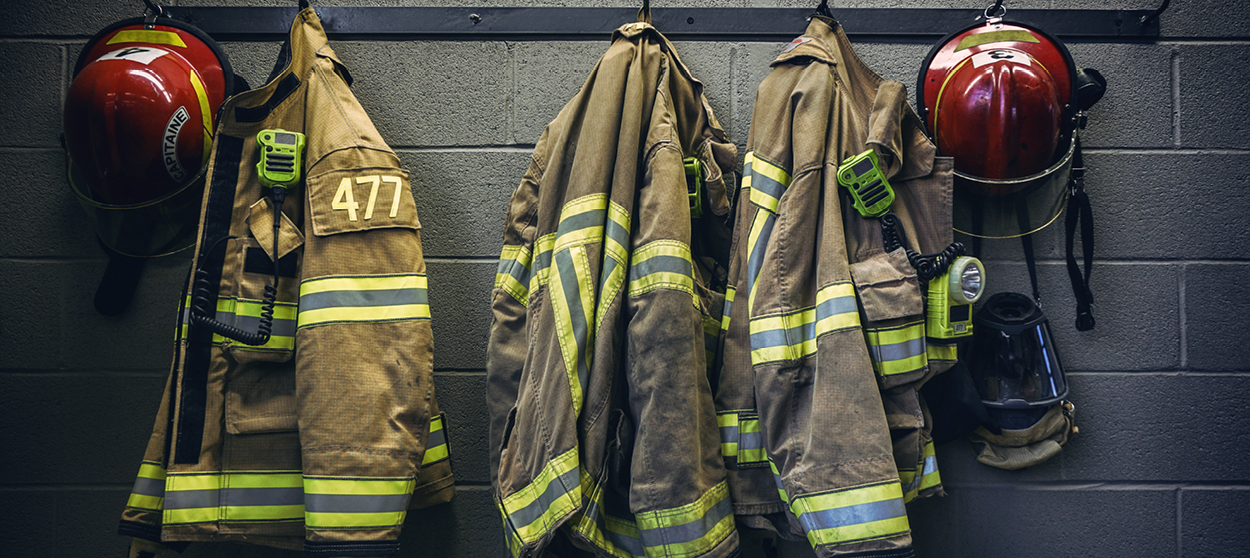
In 2001, the NFPA developed a set of guidelines for cleaning protective gear in order to remove harmful biohazards, chemicals and other contaminants. Those inspection and cleaning guidelines are revised periodically, most recently in 2020. Read on for a simplified interpretation of these guidelines and how best to go about cleaning and sanitizing/disinfecting bunker gear and related accessories…
The development of the “NFPA 1851 Standard on Selection, Care, and Maintenance of Protective Ensembles for Structural Fire Fighting and Proximity Firefighting” was established as a protective measure against firefighter exposure to the harmful contaminants on and in dirty firefighting and rescue gear. It’s also in place to protect others from incidental contact with these harmful contaminants.
Let’s start with the “No” list. Don’t ever do the following:
There are procedural steps to follow in 1851 that begin with inspecting protective ensembles, applying preliminary exposure reduction through dry brushing and using water to gently spray off contaminants, and finally, advanced cleaning. Anytime protective gear is exposed to body fluids, it’s critical that disinfection/sanitization is part of that advanced cleaning.
It all sounds complicated, but it’s really simple once you select the right washer-extractor. Contact the team at Continental West for guidance. We will help you select the right washer, ensure it is programmed correctly and teach your firefighters how to use it properly.