
The development of the “NFPA 1851 Standard on Selection, Care and Maintenance of Protective Ensembles for Structural Fire Fighting and Proximity Firefighting” was established as a protective measure against firefighter exposure to the harmful contaminants on and in dirty firefighting and rescue gear. It’s also in place to protect others from incidental contact with these harmful contaminants. These guidelines help to keep firefighters and their families safe.
Drying Gear and Accessories: The NO List!
Let’s start with the “No” list. When it comes to drying protective ensembles, don’t ever do the following:
- Don’t dry ensembles in direct sunlight, under fluorescent light or under UV light. Doing so could damage the gear.
- Don’t let the environment or the machine air for drying gear exceed 105° F.
- Don’t use a tumbler dryer or risk damaging protective gear.
- Never wear protective ensembles that are not completely dry. This could result in steam burns.
Drying Procedures
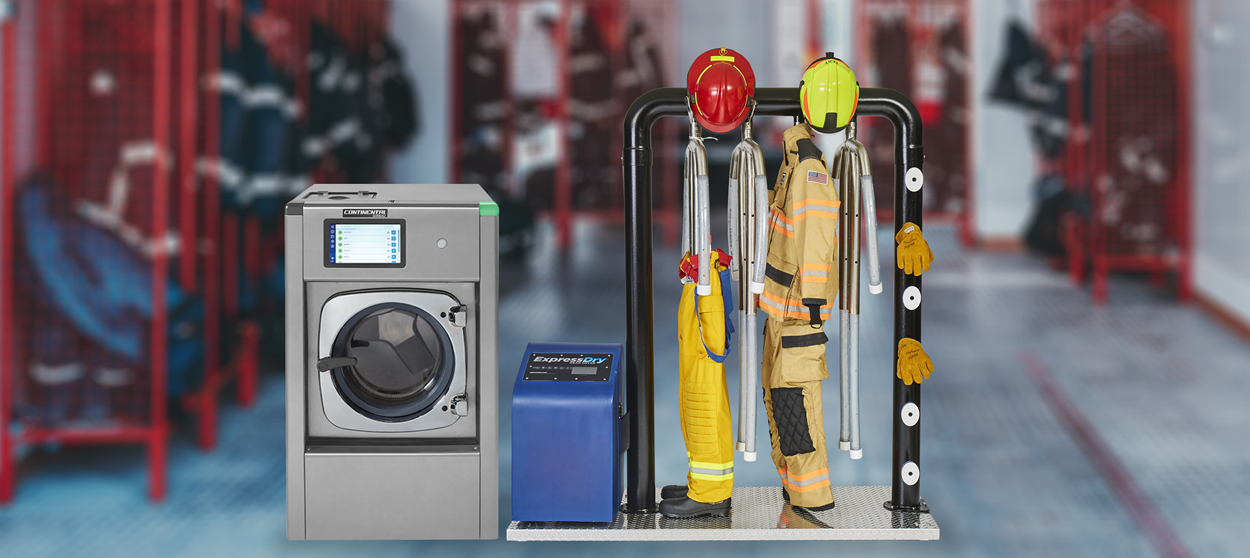
Once gear liners, shells, boots and gloves are properly cleaned, it’s important to dry them according to NFPA 1851 guidelines. This can be done by air-drying, which can take days, especially in regions with high humidity. Gear can be put back into service in a few hours using modern gear drying technology.
- Use an NFPA-compliant drying solution such as a cabinet or open-air dryer. Continental West offers NFPA-compliant gear dryers in both model types to best fit the needs of your fire department. These dryers use ambient air or air no warmer than 105° F.
- Hang gear liners and shells separately. Use accessory ports or shelves for drying boots, gloves and other items.
- Fasten all closures, including hooks, zippers, snaps, etc.
- Discontinue heat cycle once items are dry.
- Once dried, reassemble bunker gear so it’s ready for action.
It is important for any station, large or small, to properly process gear. It keeps firefighters safe while ensuring the safety of the communities they love. To learn more about which dryer is right for your fire department, contact the team at Continental West.